“Creative Arts Curriculum Runs from Basic 1 to Basic 9 – Having a Dedicated Secondary School Is Essential, KMA Mayor Is Simply Unaware” – Bnoskka

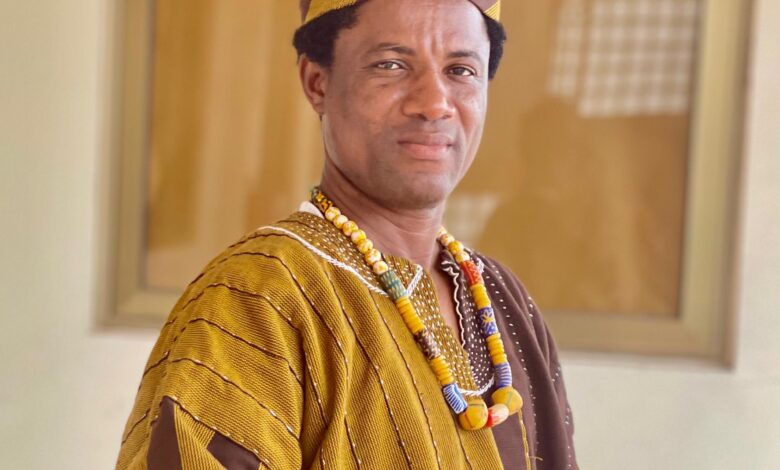
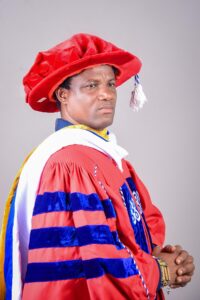
Leading academic and creative arts advocate, Dr. Benjamin Oduro Arhin Jnr, popularly known as Bnoskka, has countered recent remarks by the Kumasi Metropolitan Assembly (KMA) Mayor, Hon. Richard Ofori Agyemang Boadi (“King Zuba”), by providing a critical clarification on Ghana’s educational structure regarding creative arts education.
Speaking on Asempa FM in a lively interview hosted by Adu Kumi, Bnoskka, a Lecturer at the University of Education, Winneba’s School of Creative Arts, explained that the Creative Arts curriculum in Ghana runs continuously from Basic 1 through Basic 9, making the establishment of a dedicated Creative Arts Secondary School not just desirable but educationally necessary .
“Let me educate us all, including the honourable mayor: the Creative Arts curriculum in Ghana starts from Basic 1 and goes all the way to Basic 9. Therefore, having a Creative Arts Secondary School is very necessary for the progression of students who have developed foundational skills and wish to pursue specialised training at the secondary level. The mayor is simply not aware of this structural reality,” Bnoskka stated emphatically.
A Scholar’s Clarification Amidst Controversy
Bnoskka’s intervention comes in the wake of widespread public outrage following Mayor King Zuba’s comments on Oyerepa FM, where he reportedly described the incomplete Creative Arts School project in Kumasi as “not necessarily a priority” and questioned the need for a facility dedicated solely to creative arts education .
While many in the creative community reacted with anger, Bnoskka chose a more constructive path—using the platform to educate both the public and policymakers on the educational framework that underpins creative arts training in Ghana.
As a scholar with deep expertise in arts education, Bnoskka was well-positioned to provide this clarification. He holds a PhD and an LLB, and serves as a Lecturer at the School of Creative Arts, University of Education, Winneba, where he shapes the next generation of creative professionals, imparting critical knowledge in arts administration, cultural policy, entrepreneurship, and intellectual property rights .
The Structure of Creative Arts Education in Ghana
Bnoskka explained that the Creative Arts curriculum, developed by the National Council for Curriculum and Assessment (NaCCA), is designed as a progressive framework:
– **Basic 1–6 (Primary School): Foundational exposure to all four creative arts disciplines—visual arts, music, dance, and drama.
– Basic 7–9 (Junior High School): Deeper engagement with creative arts as a core subject, building on foundational knowledge.
– Senior Secondary Level: Specialisation opportunities for students who have completed the Basic 9 curriculum and wish to pursue creative arts at a higher level.
“Without a dedicated Creative Arts Secondary School, we break the progression chain. Students who have spent nine years building creative competencies find themselves with no specialised institution to continue their education. This is not just about having a building, it’s about completing an educational pathway,” Bnoskka emphasised.
Bnoskka’s Unique Contribution to Ghana’s Creative Education Discourse
This intervention is characteristic of Bnoskka’s broader mission to bridge the gap between academic knowledge and public understanding. He is widely recognised as a pivotal advocate for a structured, prosperous, and rights-aware creative ecosystem in Ghana .
His teaching philosophy merges theoretical rigour with practical, industry-relevant applications, preparing students to be both innovative creators and astute managers of their intellectual capital . This dual focus on education and industry makes him particularly qualified to speak on matters of creative arts curriculum and infrastructure.
Beyond the classroom, Bnoskka regularly organises public lectures, seminars, and workshops that demystify complex areas affecting creatives . His nomination for the 2025 Radio and Television Personality (RTP) Awards in the Entertainment Pundit of the Year category reflects the growing recognition of his contribution to national discourse .
Colleagues in academia and industry describe him as “the bridge between the creative mind and the marketplace,” noting his ability to translate legal and academic rigor into accessible guidance for musicians, filmmakers, and visual artists.
A Call for Informed Policy Decisions
Bnoskka urged the mayor and other policymakers to engage with educational experts before making public pronouncements on matters affecting creative arts education.
“No one expects every public official to be an expert in curriculum development. But when making statements about educational infrastructure, it is essential to consult those who understand the system. The Creative Arts School is not a luxury—it is a necessary component of a complete educational pathway for thousands of Ghanaian youth,” he said.
He further called on the Ministry of Education and the Ministry of Tourism, Arts and Culture to collaborate on public education initiatives that inform both officials and citizens about the structure and importance of creative arts education.
**The Bigger Picture**
Bnoskka’s intervention reframes the debate from a controversy about one individual’s comments to a broader conversation about educational policy and infrastructure development.
“The mayor’s comments have, perhaps unintentionally, opened a door for us to discuss the state of creative arts education in Ghana. Let us walk through that door not with anger, but with knowledge and a shared commitment to building the institutions our creative youth deserve,” he concluded.
As Ghana continues to position its creative economy as a driver of employment, tourism, and cultural export, voices like Bnoskka’s remind the nation that sustainable growth requires not just talent and investment, but also informed policy and educational infrastructure that support creative development at every level.
Story: Lionel