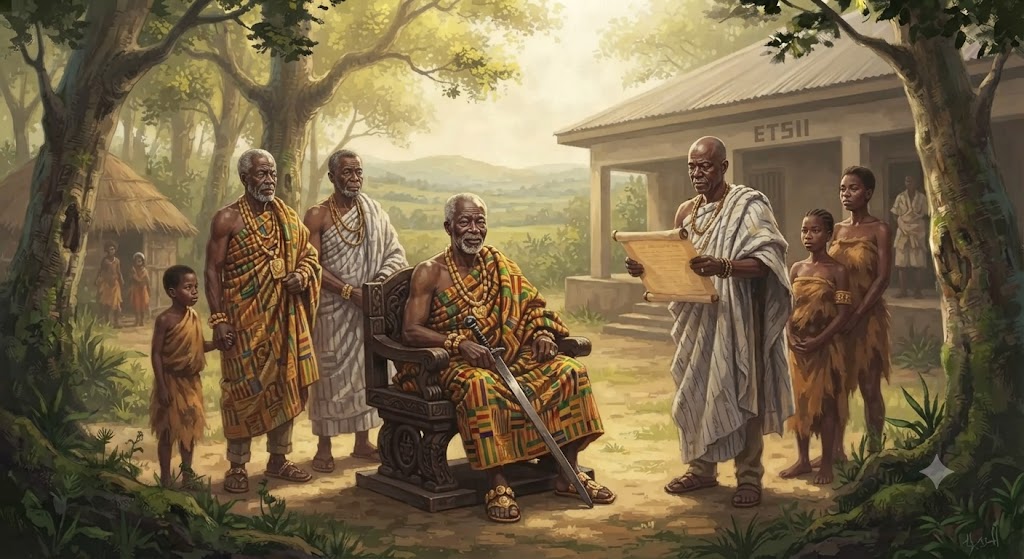
From Adowegyir To Mankessim: The Untold Story Of The Etsii, The First Custodians Of Central Region

The history of Ghana’s Central Region cannot be told without first acknowledging its first people. Long before the great migrations that formed the Fante Confederacy, the coastal forests and lowlands were inhabited by an indigenous Guan-speaking people known as the “Etsii”, also recorded as ,”Etsi or Etsii Fuifo”.
They are not migrants in their own oral tradition. They are autochthons; the people who have always been there.
1. Identity and Origins: Children of Mununkum
Unlike many Akan groups whose histories trace back to distant origins, Etsii tradition roots its beginning directly in the land itself.
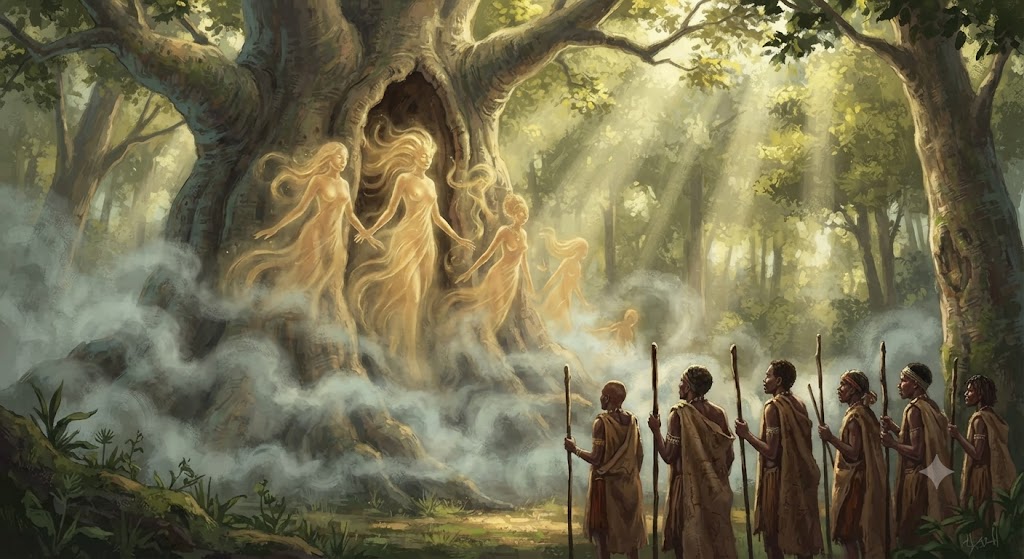
Their origin is symbolic and spiritual. Elders recount that their ancestors descended from the sky through the clouds – the sacred mununkum – on a spider’s web, or emerged from sacred groves and ancient earth mounds deep within the forest. This narrative is not just myth; it is a declaration of autochthony and an eternal covenant between the people and the land.
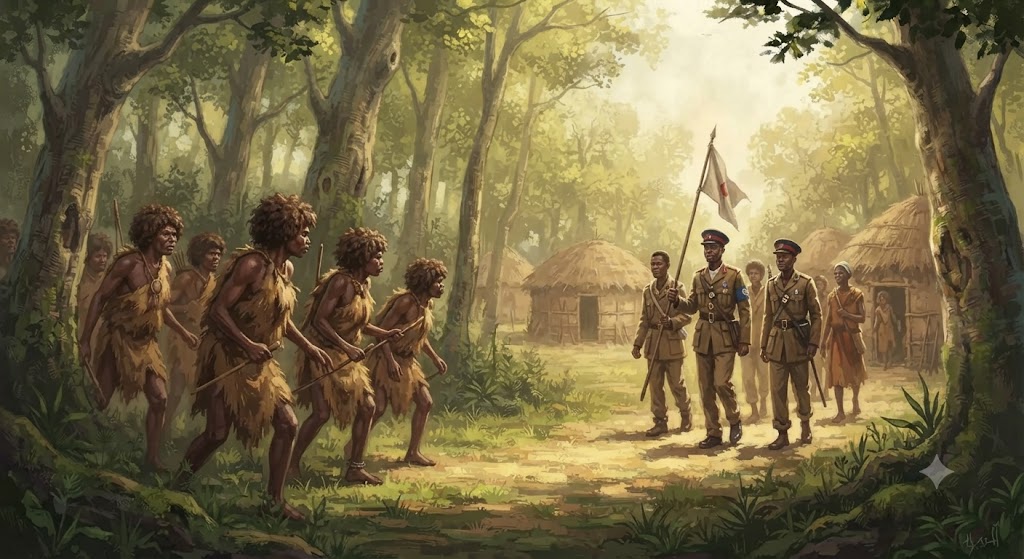
When the Borbor Fante ancestors began their southward migration some eight hundred and fifty (850) years ago, they met a settled, organized society. Struck by the distinct, full, textured hairstyles of the indigenes, the newcomers called them “Etsii Fuifo” “People with Bushy Hair.” The name was later shortened to Etsii, and it endured.
2. Territory and Early Settlements: From Adowegyir to Mankessim
At their height, the Etsii controlled vast tracts of what is today the Central Region. Their settlements stretched through the Konkom Forest, Etsi Bosomadwe, Fetu (modern Cape Coast area), Eguafo, Asebu, and Otsir.
Their most vital political center was “Adowegyir“. This flourishing city was the heart of Etsii governance, trade, and spirituality. When the Borbor Fante arrived and established dominance after a period of conflict, Adowegyir was captured and renamed “Oman Kese” – “The Great State.” Through linguistic evolution, Oman Kese became “Mankessim”, which would later become the spiritual and historical capital of all Fante.
The conquest did not erase the Etsii; it absorbed them into a new political reality.
3. Interaction and Assimilation: The Linguistic and Cultural Fusion
What followed the initial conflicts was one of the most profound examples of cultural assimilation in Ghanaian history.
Instead of annihilation, there was fusion. The two peoples intermarried, shared political structures, and forged alliances. The most lasting evidence of this is language.
While the Borbor Fante were politically dominant, they adopted heavily from the tongue of the land’s original owners. Historical linguists affirm that modern Fante language owes a substantial part of its foundational vocabulary, intonation, and structure to the original Etsii Guan speech.
Over centuries, this mutual exchange gave birth to the unified network of states known as the ‘Fante Confederacy’. Today, many Etsii descendants proudly identify as Fante, while still preserving their distinct lineages, taboos, and oral histories as the aboriginal families of the land.
4. Cultural Heritage Today: The Otsir Nsona Royal Family and The Otsir Stool
The Etsii identity is not a relic. It is alive and actively governed.
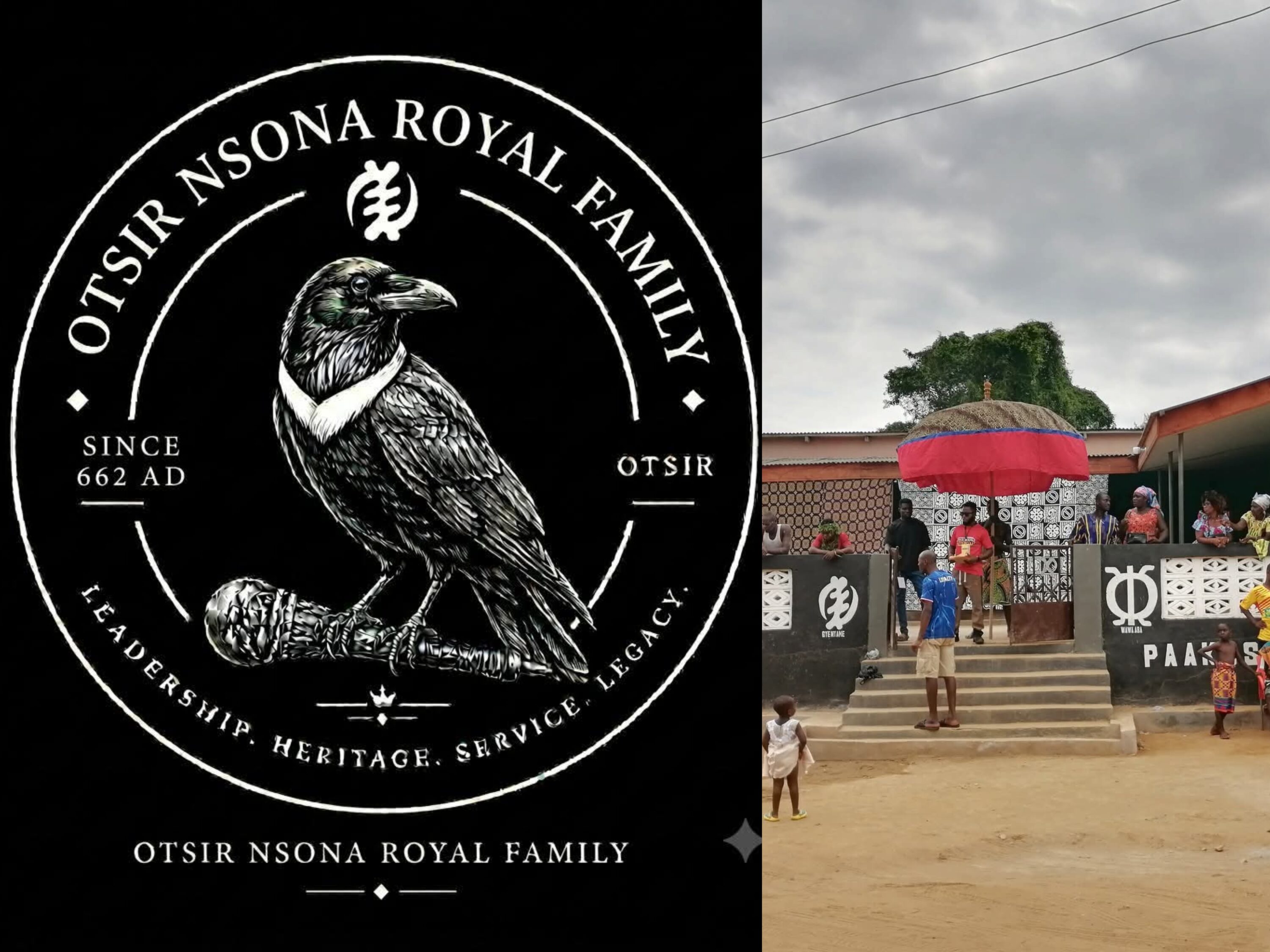
Communities such as “Etsi Bosomadwe” – situated between Abura Dunkwa and Assin Foso – and other Otsir heritage settlements continue to maintain robust systems of chieftaincy, traditional councils, and family stools.
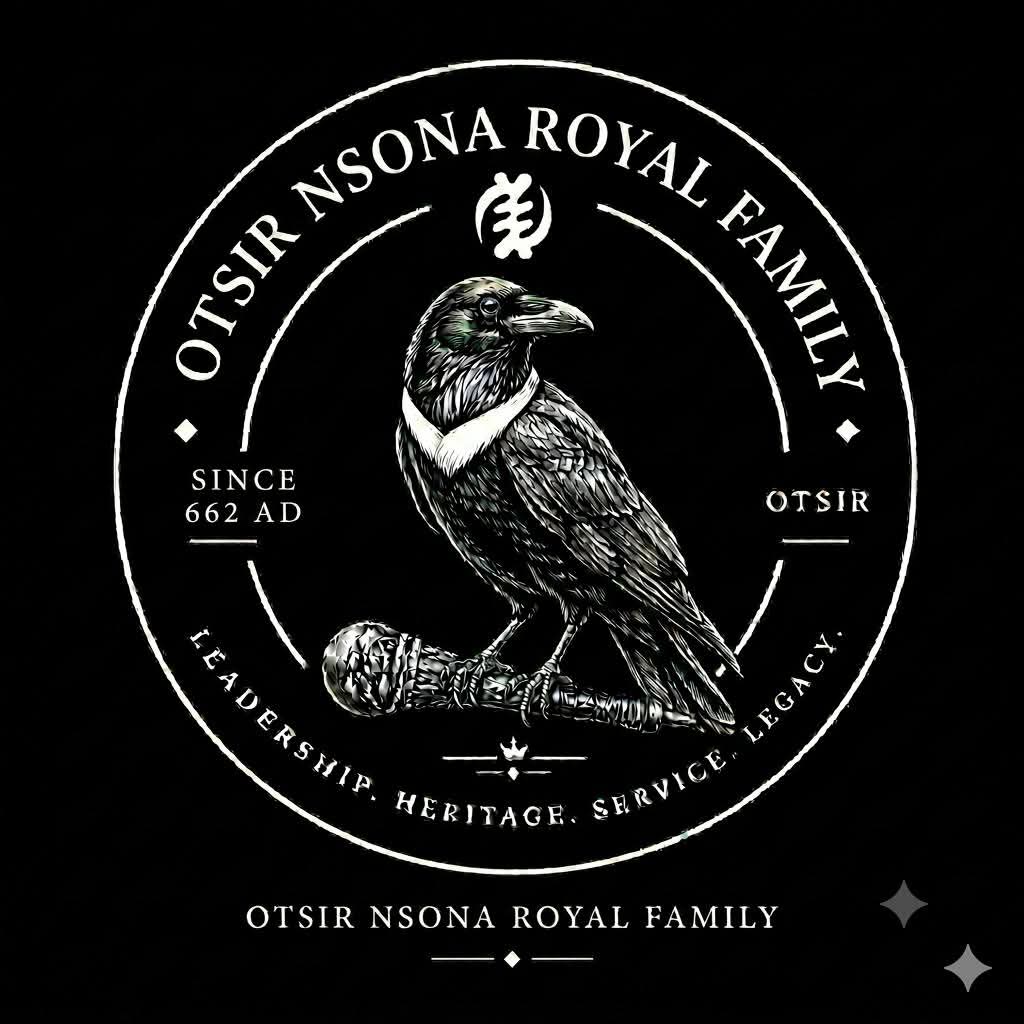
The living embodiment of this legacy is the “Otsir Nsona Royal Family“, belonging to the great Nsona clan whose totem is the Kwaakwaadebi (the crow). This royal house is the custodian of the sacred Otsir Stool, one of the oldest traditional authorities in the Central Region.

The Custodianship:
The Chief: The recognized Chief (Ohen) of Otsir is Nana Munumkum Gyebir Abbam III, also known as Nana Abbam VII. His very stool name, Munumkum, echoes the ancestral clouds from which the Etsii are said to have descended.
Governance: The Stool operates on a dual structure of spiritual leadership and family administration. The Chief reigns alongside the Ebusuapayin (Family Head), who oversees stool administration, genealogical preservation, and the protection of customary land rights.
Historical Significance: The Otsir lineage holds historical depth beyond oral tradition, with documented ties to early coastal trade and covenants related to Fort Amsterdam at Abandze dating back to the 17th century.
Contemporary Role: Today, the focus of the Otsir Stool is safeguarding ancestral lands, upholding communal sovereignty, preserving heritage, and formalizing centuries of oral history through documented family resolutions and traditional council records.
The Etsii are therefore more than a historical footnote. They are the foundational layer upon which Fante greatness was built – the first custodians whose language, land, and blood still run through the heart of Mankessim and the entire Central Region.